
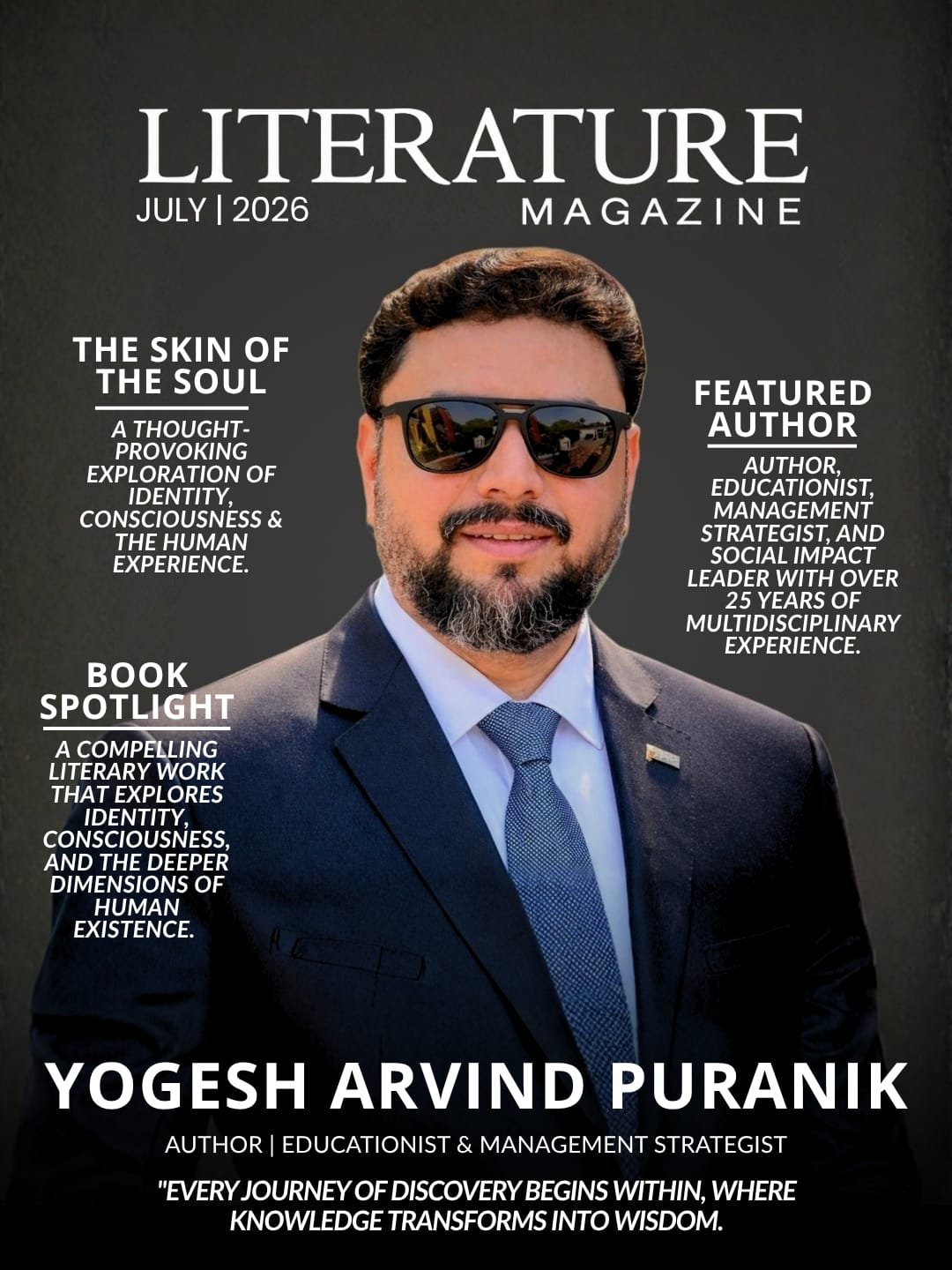
In contemporary literature, few books dare to explore the invisible dimensions of human existence with both philosophical depth and emotional sensitivity. The Skin of the Soul by Yogesh Arvind Puranik is one such remarkable work that invites readers on an introspective journey through identity, consciousness, relationships, and the search for meaning. More than a work of fiction, the book challenges conventional perspectives and encourages readers to look beyond appearances to discover the truths that lie beneath the surface.
At its core, The Skin of the Soul is an exploration of what defines human identity. It raises profound questions about purpose, perception, emotional resilience, and the unseen forces that influence our choices and relationships. Through reflective storytelling and thoughtful narrative, the book examines the complexities of the human mind while encouraging readers to engage with deeper philosophical ideas that remain relevant in today’s fast-changing world.
Rather than offering simple answers, the novel creates space for reflection. It encourages readers to question their assumptions, embrace self-awareness, and recognize that personal growth often begins by understanding the layers of the self that remain hidden beneath everyday experiences. Blending elements of philosophy, psychology, and literary fiction, the book presents an intellectually engaging and emotionally rewarding reading experience.
The author behind this compelling work, Yogesh Arvind Puranik, brings a unique multidisciplinary perspective to his writing. With more than twenty-five years of professional experience across financial services, education, and social development, he has successfully combined leadership, research, and literature throughout his distinguished career. His diverse background enables him to approach storytelling with both analytical depth and human sensitivity, creating narratives that resonate with readers from varied backgrounds.
Yogesh Arvind Puranik is a World Research Fellow of London (WRFL) and an active member of the Universal World Research Innovation Centre (UWRIC). His work frequently explores the intersections of mythology, psychology, philosophy, artificial intelligence, consciousness, and human behavior. His ability to integrate these diverse disciplines has established him as a distinctive voice in contemporary literature.
His literary achievements have received significant recognition. He has been honoured as a Tagore Commemorative Honouree 2026 and is the recipient of the prestigious 21st Century Emily Dickinson Award, acknowledging his meaningful contribution to modern literature and intellectual thought. These recognitions reflect both the originality of his ideas and the depth of his literary vision.
Beyond fiction, Yogesh Arvind Puranik has authored works across mythology, poetry, artificial intelligence, management, and spirituality. His writing consistently demonstrates a commitment to exploring the deeper dimensions of human existence while making complex ideas accessible to modern readers. Whether examining ancient wisdom, emerging technologies, or the mysteries of consciousness, his work encourages meaningful dialogue and thoughtful reflection.
The Skin of the Soul perfectly embodies this vision. It reminds readers that the most significant journeys are often inward, where understanding, healing, and transformation begin. The novel encourages individuals to look beyond external identities and reconnect with the deeper essence of who they truly are.
For readers who appreciate philosophical fiction, reflective literature, and stories that challenge conventional thinking, The Skin of the Soul offers an enriching literary experience. It is a work that inspires contemplation, encourages self-discovery, and demonstrates how literature can illuminate the profound questions that define the human experience.